If you’re excited to dive into wood carving, you're in for a treat! The great thing about wood carving is anyone can do it, no matter your skill level. Just remember to start small and enjoy the process. Here’s how to get rolling with your new hobby.
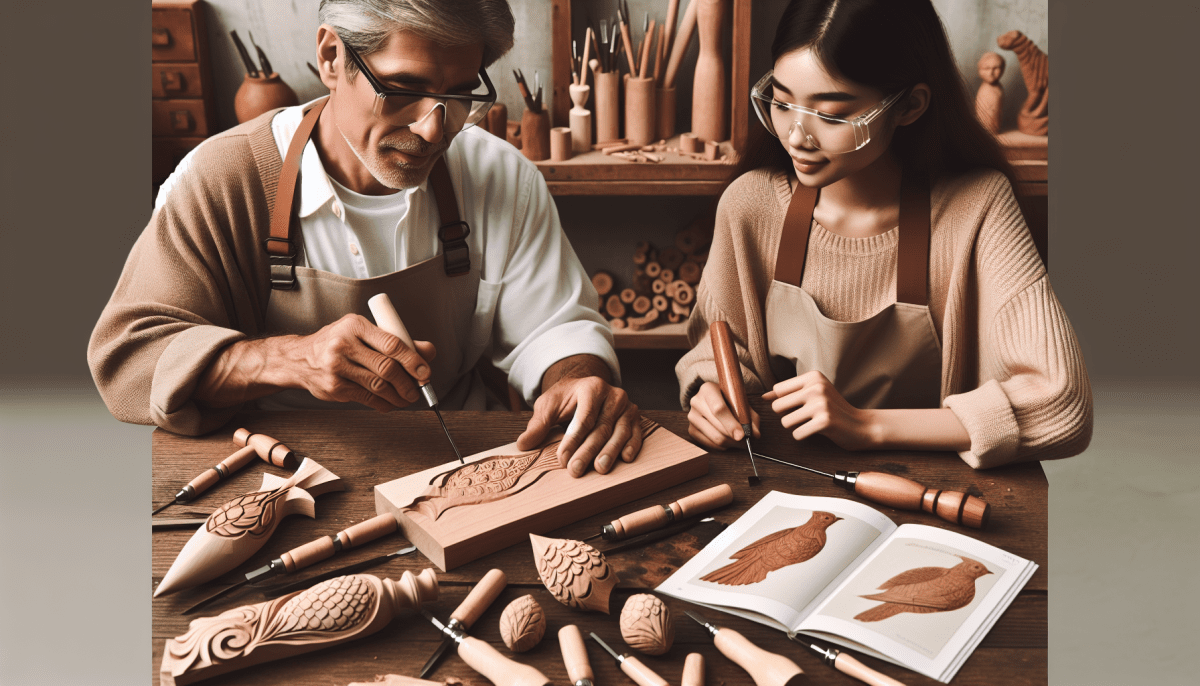
First off, you'll need the right tools. A good beginner set usually includes a carving knife, a detail knife, and a chip carving knife. If you’re not sure what to choose, look for sets that come with these tools and maybe even an easy guide! They’re reliable and perfect for learning the ropes.
Next, pick your wood wisely. But don't stress! Basswood or pine are great for beginners. They’re soft and easy to carve, which means you'll spend less time battling tough materials and more time bringing your ideas to life. Just grab some blocks and get ready to experiment!
As you start, focus on simple projects. Think about small items like spoons, coasters, or basic shapes. Breaking your work into smaller, manageable pieces will keep it fun and less overwhelming. Plus, you’ll see actual progress, which is super motivating.
Lastly, never underestimate the power of practice! The more you carve, the better you'll get. Don't worry if your first few attempts don't turn out perfect. Each mistake is a part of the learning journey. Keep carving and you'll surprise yourself with what you can create!
Choosing the Right Tools for You
Choosing the right tools is a big part of starting your wood carving journey. You don’t need a full workshop to get going. Just a few good tools can make all the difference in how much you enjoy the process.
First up, consider a basic set of carving chisels. Look for a variety of shapes and sizes. This allows you to create different textures and details. A good starter set usually includes a few gouges, a straight chisel, and a V-tool. Brands like Flexcut or Pfeil have solid options. They’re comfortable to hold and work well for beginners.
Next, you’ll want a solid knife. A whittling knife is perfect for small projects. It should feel good in your hand and have a sharp edge. Take the time to pick one that fits your grip. You’ll be using it a lot, so comfort matters.
Don't forget safety gear! Carving can be fun, but it also poses risks. Invest in a good carving glove for your non-dominant hand. It will protect you from accidental slips. Safety glasses can also help shield your eyes from flying wood shavings.
Lastly, think about your workspace. A sturdy workbench with good lighting is essential. You want a setup that keeps everything within reach but also gives you room to move around. Having the right tools and a comfortable space can turn wood carving from a chore into a hobby you love!
Basic Techniques Every Carver Should Know
Getting started with wood carving is all about mastering some basic techniques. These skills set the foundation for more advanced projects later on. Let's dive into a few essential techniques every carver should have in their toolkit.
Whittling is the simplest form of wood carving. You only need a sharp knife and a piece of wood. You can create beautiful shapes and designs just by removing small shavings. It's perfect for beginners because it helps you get comfortable with your tool and the wood.
Chip carving is another technique that's great for adding detail and style to your projects. It involves cutting away small pieces of wood to create geometric designs. You'll want to invest in a sturdy chip carving knife for this method. Once you get the hang of it, you can decorate everything from wooden spoons to picture frames.
Relief carving takes things up a notch. In this technique, you carve into a flat piece of wood to create different depths and textures. It's a bit more challenging, but it lets you create stunning three-dimensional designs. Having the right tools, like gouges and chisels, will really help you bring your ideas to life.
Finally, let's talk about power carving. If you're looking to speed up your projects or work on tougher materials, a rotary tool can be a game-changer. Power carving allows you to shape wood more quickly and with more complexity, making it fun to experiment with new designs.
Safety Tips for a Fun Experience
When you're diving into wood carving, safety should always come first. It can be a lot of fun, but there are a few simple steps to ensure you have a safe experience while enjoying your new hobby.
First things first, wear protective gear. Invest in a good pair of cut-resistant gloves. They really help protect your hands from accidental slips. Safety glasses are also a must. Chips and shavings can fly unexpectedly, and you want to keep your eyes safe while you carve.
Always keep your tools sharp. It might sound counterintuitive, but a dull tool can be more dangerous. It requires more force to use, leading to slips. A sharp knife or chisel makes cleaner cuts and gives you better control. Plus, it just feels nice to work with tools that are in good shape!
Set up a dedicated workspace. Ensure your area is well-lit and clutter-free. A clean workspace helps you focus and reduces the chance of accidents. Make sure your carving surface is sturdy and won't move around while you're working.
Finally, take your time. Rushing can lead to mistakes or accidents. Enjoy the process and let your creativity flow. Wood carving is all about having fun, so slow down and really enjoy your craft!